



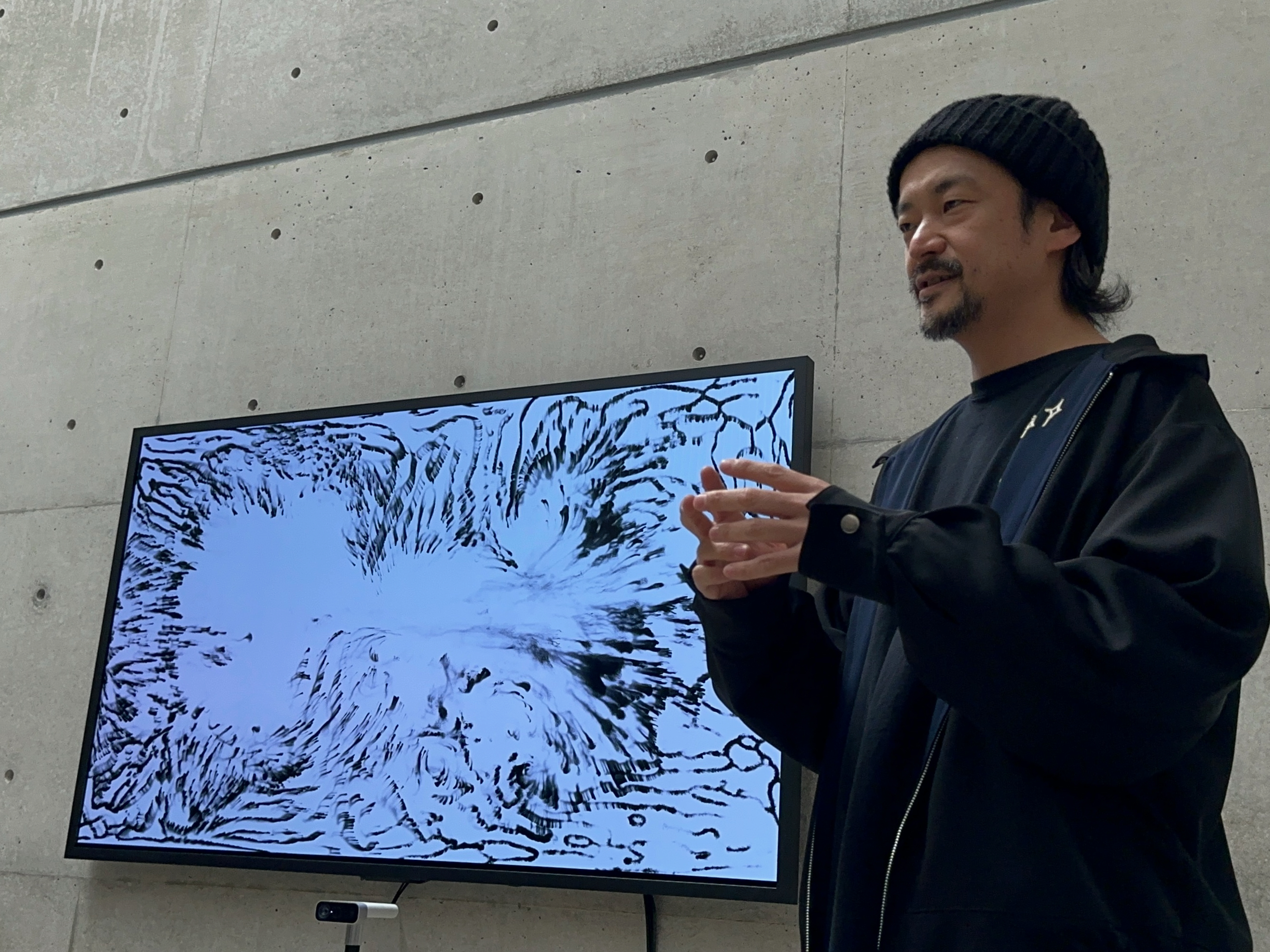



Nobuyuki ‘Nobi’ Hayashi
ジャーナリスト / Journalist
コンサルタント / Consultant
金沢美術工芸大学 名誉客員教授 / Honorary Visiting Professor, Kanazawa College of Art
出発点はテクノロジージャーナリスト。でも、好きなのはテクノロジーそのものではなく、人々が生気溢れ豊かに過ごす未来だった。ただ新しいものだけが未来なのではなく、古き良き伝統を守ったり、新しく進化させることも重要な未来づくりのあり方。素晴らしい未来について、ジャンルを超えた学際的横断的視点で取材し、伝え、議論していきたい。
— 林 信行
He began as a technology journalist. But what he loved was never technology itself — it was the prospect of a future in which people might live with vitality and richness. The future, he came to believe, is not built from novelty alone: preserving what is good in tradition, and helping it evolve, is an equally vital form of world-making. His work has been to report on, communicate and debate the shape of a worthy future — from a perspective that refuses the boundaries of any single discipline.
— Nobuyuki ‘Nobi’ Hayashi
Timeline
A cultural timeline, not a curriculum vitae
幼少期を日本、英国、ドイツ、エクアドルで過ごす。異なる文化、言語、生活感覚の中で育った経験が、後の「日本を内側から見ながら、外側の視点で語る」姿勢の土台となる。
Raised between Japan, Britain, Germany and Ecuador, he grew up amid different cultures, languages and everyday sensibilities. That experience became the ground for a rare point of view: speaking of Japan from within, while never quite surrendering the distance of an outsider.
1990年代初頭より、IT、パーソナルコンピュータ、デジタルカルチャーの取材・執筆を開始。Apple、Microsoft、IBMなど、当時のコンピュータ産業を形づくっていた企業や経営者、開発者への取材を重ねる。この時期から関心は、単なるスペックや製品比較ではなく、テクノロジーが人間の行動、感覚、文化をどう変えていくかへと向かっていった。
In the early 1990s, he began writing on IT, personal computing and digital culture, interviewing the companies, executives and engineers then shaping the computer industry, including Apple, Microsoft and IBM. Even then, his interest was not confined to specifications or product comparisons, but to the ways technology alters human behaviour, perception and culture.
月刊アスキー、月刊MACPOWER、MacFanをはじめ、コンピュータ文化を牽引した媒体に寄稿。パーソナルコンピュータが仕事や生活に入り込み、インターネットが社会を変え始める時代を、現場から記録する。日本のデジタルカルチャーが、趣味の領域から社会の基盤へと移っていく過程を、読者に向けて翻訳し続けた。
He contributed to influential publications such as Monthly ASCII, Monthly MACPOWER and MacFan, documenting the moment when personal computers entered work and daily life, and when the internet began to reshape society. He continued to translate for readers the passage of Japanese digital culture from a field of enthusiasts to part of the social infrastructure.
2000年代以降、取材対象をプロダクトデザイン、インダストリアルデザイン、ユーザー体験へと広げる。Don Norman、Philippe Starck、深澤直人、Marc Newson、Yves Béhar、Jonathan Iveなど、世界的デザイナーへの取材を通じ、テクノロジーを「機能」だけでなく、「体験」「身体性」「文化」として語る視点を深める。
From the 2000s onwards, his coverage expanded into product design, industrial design and user experience. Through interviews with leading designers including Don Norman, Philippe Starck, Naoto Fukasawa, Marc Newson, Yves Béhar and Jonathan Ive, he deepened his understanding of technology not merely as function, but as experience, physicality and culture.
Apple本社で行われた初代iPod発表イベントに、世界約200名の招待ジャーナリストのひとりとして参加。以後、Appleの新製品発表イベントを継続的に取材。Appleを、製品を作る会社としてだけでなく、テクノロジー、デザイン、メディア、生活文化を再編する存在として追い続ける。
In 2001, he was among the roughly 200 journalists invited to Apple's first iPod launch event at its headquarters. He has continued to cover Apple's launch events ever since, following the company not merely as a maker of devices, but as a force reshaping technology, design, media and the texture of everyday life.
ジャーナリズムと並行して、コンサルタントとしても活動。popIn、キャスタリア、APPLIYAなど数社のスタートアップのアドバイザーを務め、日本のiPhone開発者の海外進出を応援するイベントを企画しサンフランシスコで開催。また日本の大手通信会社、電機メーカー、シリコンバレー企業などに対し、事業戦略、製品開発、日本市場での展開に関する助言を行う。多くの実績はNDAのため非公開。
Alongside journalism, he has worked as a consultant. He served as adviser to a number of start-ups including popIn, Castalia and APPLIYA, and organised events in San Francisco to support Japanese iPhone developers seeking to expand overseas. He has also advised major Japanese telecommunications companies, electronics manufacturers and Silicon Valley firms on business strategy, product development and the Japanese market. Much of this work remains confidential under NDA.
iPhone登場の意味をいち早く読み解いた著書『iPhoneショック』を刊行。同書は複数言語に翻訳され、スマートフォンが社会にもたらす変化を伝える一冊となる。
He published iPhone Shock, one of the early books to interpret the significance of the iPhone. Translated into multiple languages, it helped explain the wider cultural consequences of the smartphone.
iPhoneの国内発売前日に行われた前夜祭イベントでMCを務める。日本におけるスマートフォン時代の幕開けを、単なる新製品発売ではなく、通信、メディア、アプリ経済、生活文化が大きく変わる転換点として現場で伝えた。
He served as MC for the event held on the eve of the iPhone's official launch in Japan. He helped frame the arrival of the smartphone era not as a mere product release, but as a turning point in telecommunications, media, the emerging app economy and everyday life.
iPhoneとTwitterという、当時の社会変化を象徴する2つの存在を通じて、モバイル、ソーシャル、コミュニケーションの変化を考察。「デバイス」と「ネットワーク」が、人々の行動と情報流通をどう変えるかを読み解く。
Through the iPhone and Twitter, two symbols of social change at the time, he examined the transformation of mobile life, social media and communication. The book explored how devices and networks were changing human behaviour and the circulation of information.
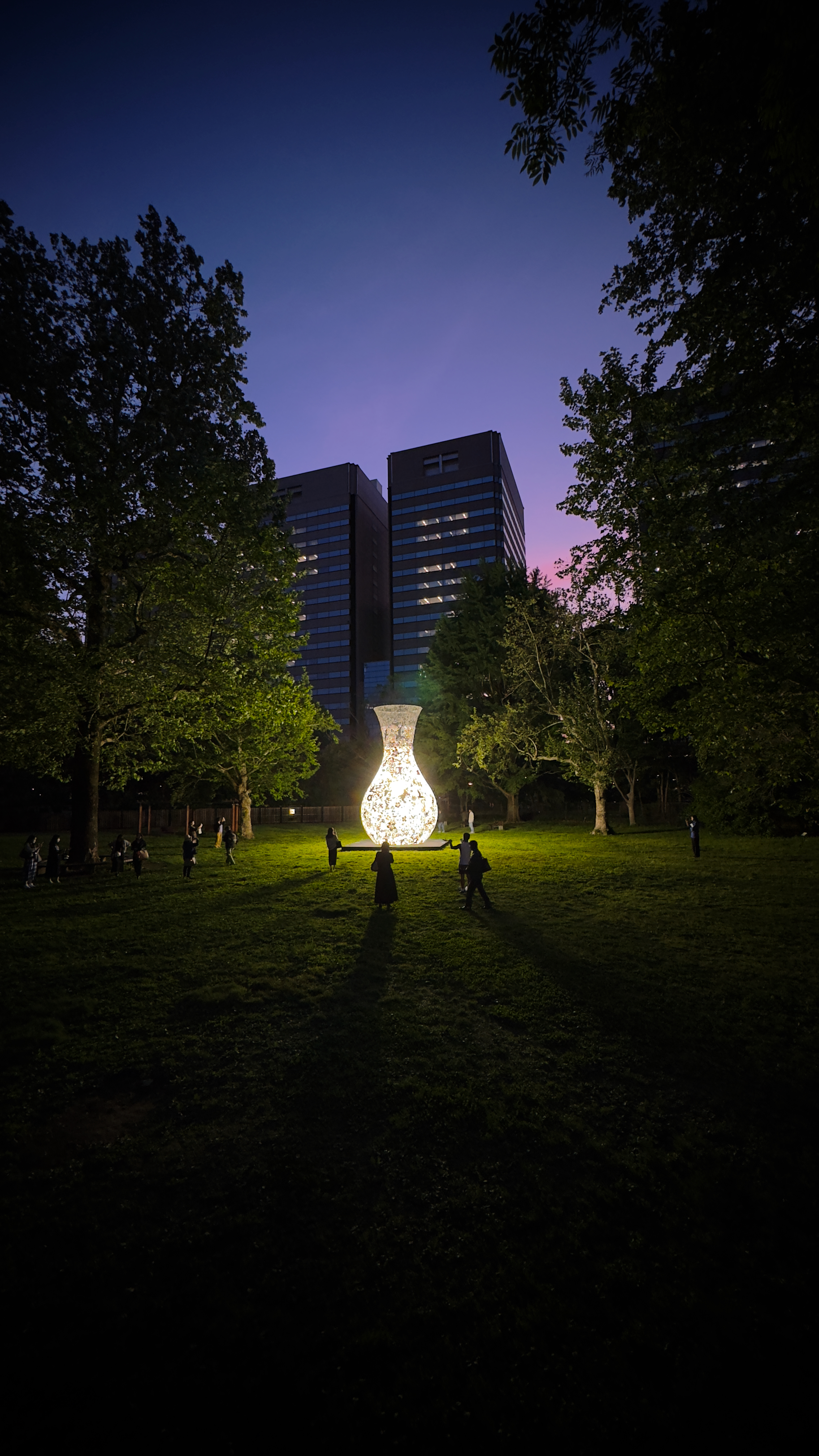
AI時代を見据え、現代アート、メディアアート、バイオアートへの関心を深める。テクノロジーを産業や効率の文脈だけでなく、生命、身体、環境、感性、倫理の問題として捉え直す視点を育てていく。
Anticipating the age of AI, he deepened his engagement with contemporary art, media art and bioart. He began to reframe technology not only in terms of industry or efficiency, but in relation to life, the body, the environment, sensibility and ethics.
東日本大震災後、Google.orgの公式連載「東日本大震災と情報、インターネット、Google」を、山路達也氏とともに取材・執筆・編集。震災時に情報サービスは何ができ、何ができなかったのか。検索、地図、安否確認、公共情報、インターネットの役割を検証し、将来への提言としてまとめた。
After the Great East Japan Earthquake, he co-reported, wrote and edited Google.org's official series with Tatsuya Yamaji. The project examined what information services could, and could not, do in a disaster — search, maps, safety confirmation, public information — and turned those findings into proposals for the future.
CMS開発会社Revolverの社外取締役として、事業戦略と製品開発に助言。メディア、コンテンツ、テクノロジー、プラットフォームの変化を見続けてきた知見を、企業経営とプロダクトづくりに活かす。
As an external director at CMS developer Revolver, he has advised on business strategy and product development, bringing to the company his long experience of observing changes in media, content, technology and platforms.
Google.orgでの連載をもとに、山路達也氏との共著『Googleの72時間 東日本大震災と情報、インターネット』を刊行。災害時のデジタル情報基盤、公共性、危機対応を考える上で重要な記録となる。
Based on the Google.org series, he co-authored Google's 72 Hours: The Great East Japan Earthquake, Information and the Internet with Tatsuya Yamaji. The book became an important record for considering digital information infrastructure, public responsibility and crisis response in times of disaster.
James Dyson Awardの審査員をきっかけに、James Dyson Foundation日本支部の理事を務める。Design Engineering教育の普及に関わり、若い世代がデザインとエンジニアリングを横断して考えるための土壌づくりに貢献。
After serving as a judge for the James Dyson Award, he became a board member of the James Dyson Foundation in Japan. He contributed to the promotion of Design Engineering education, helping younger generations think across design and engineering.
グッドデザイン賞の審査員として、オーディオ・ビジュアル機器、情報家電、デジタルプロダクトなどを評価。美しさだけでなく、使いやすさ、体験の質、社会的意味を含めたデザインの価値を見定める。
As a judge for the Good Design Award, he has evaluated audio-visual equipment, information appliances and digital products. His assessment looks beyond appearance to usability, the quality of experience and the social meaning of design.
金沢美術工芸大学デザイン科にて客員教授として講義・ワークショップを担当。のちに名誉客員教授に就任。テクノロジー、デザイン、文化、社会変化を横断する視点を次世代のデザイナーに伝える。なお、九州大学、広尾学園、慶應義塾大学SFCなどでも授業を行った。
He taught lectures and workshops in the Department of Design at Kanazawa College of Art as a visiting professor, later appointed Honorary Visiting Professor. He shares a perspective that crosses technology, design, culture and social change with the next generation of designers. He has also taught at Kyushu University, Hiroo Gakuen and Keio University SFC.
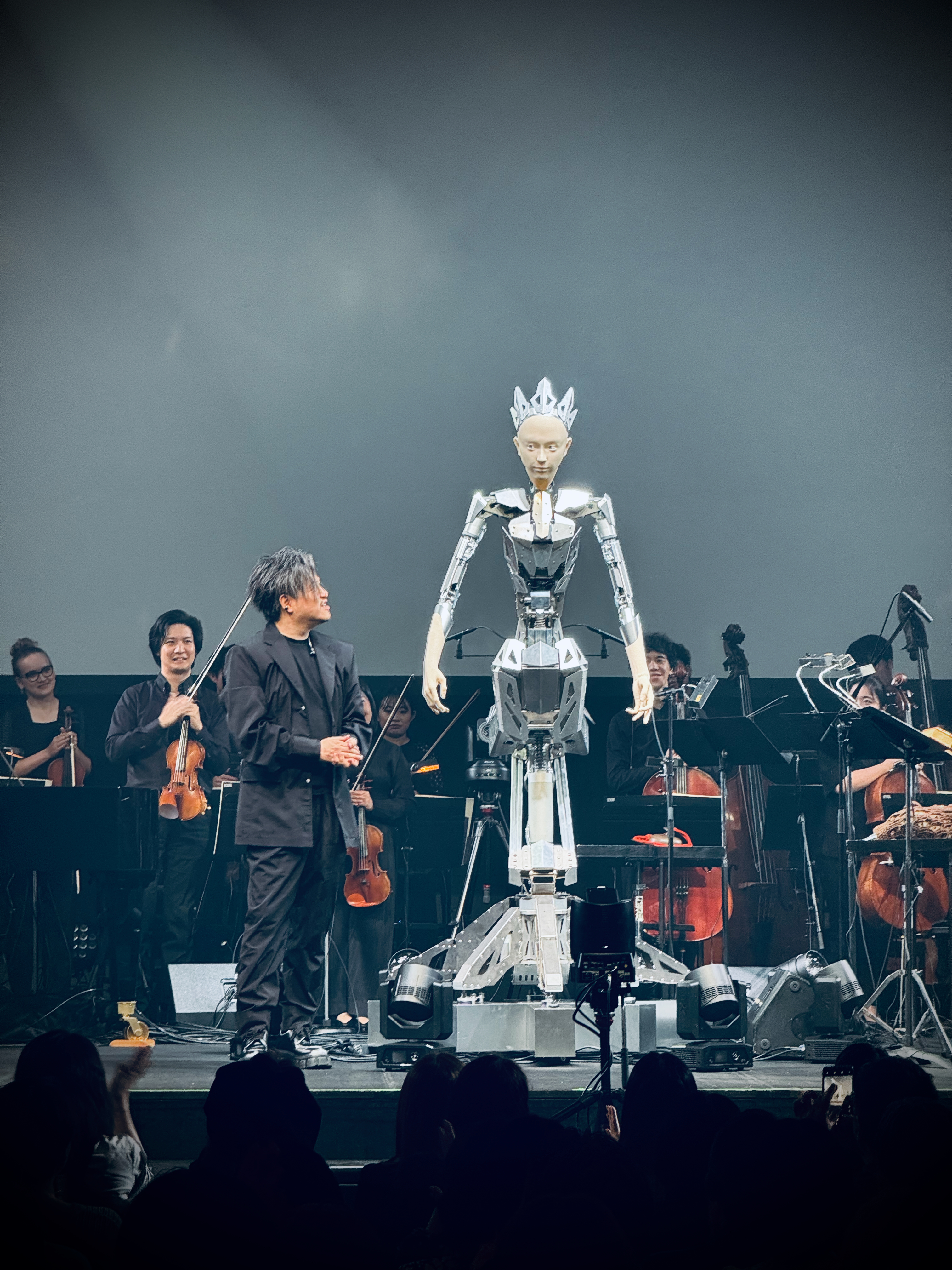
AI、ロボティクス、Calm Technology、伝統工芸、現代アート、建築、都市、教育を横断しながら、日本に蓄積されてきた余白、間、気配、手触り、たたずまいといった価値を、次世代のテクノロジーや社会設計の文脈で再解釈している。効率や速度だけでは語れない、人間らしい未来のための感性のインフラを探求すると同時に、平和で安心して過ごせる社会を作る基盤として、日本の美意識や知恵を世界に理解を広げる活動にも取り組んでいる。
Working across AI, robotics, Calm Technology, craft, contemporary art, architecture, cities and education, he is reinterpreting Japanese values — space, ma, atmosphere, tactility and quiet presence — as concepts for future technology and social design. His work asks what kind of sensorial infrastructure a more humane future might require — one that cannot be measured by efficiency and speed alone. At the same time, he works to bring Japanese aesthetics and wisdom to wider global understanding as a foundation for building societies in which people can live in peace and security.